
MEET ADELA STONE, LMFT, LPCC
HELPING YOU SEE WHAT’S really GOING ON BENEATH THE SURFACE.
Relationship therapist online across California, Florida, Washington & Oregon
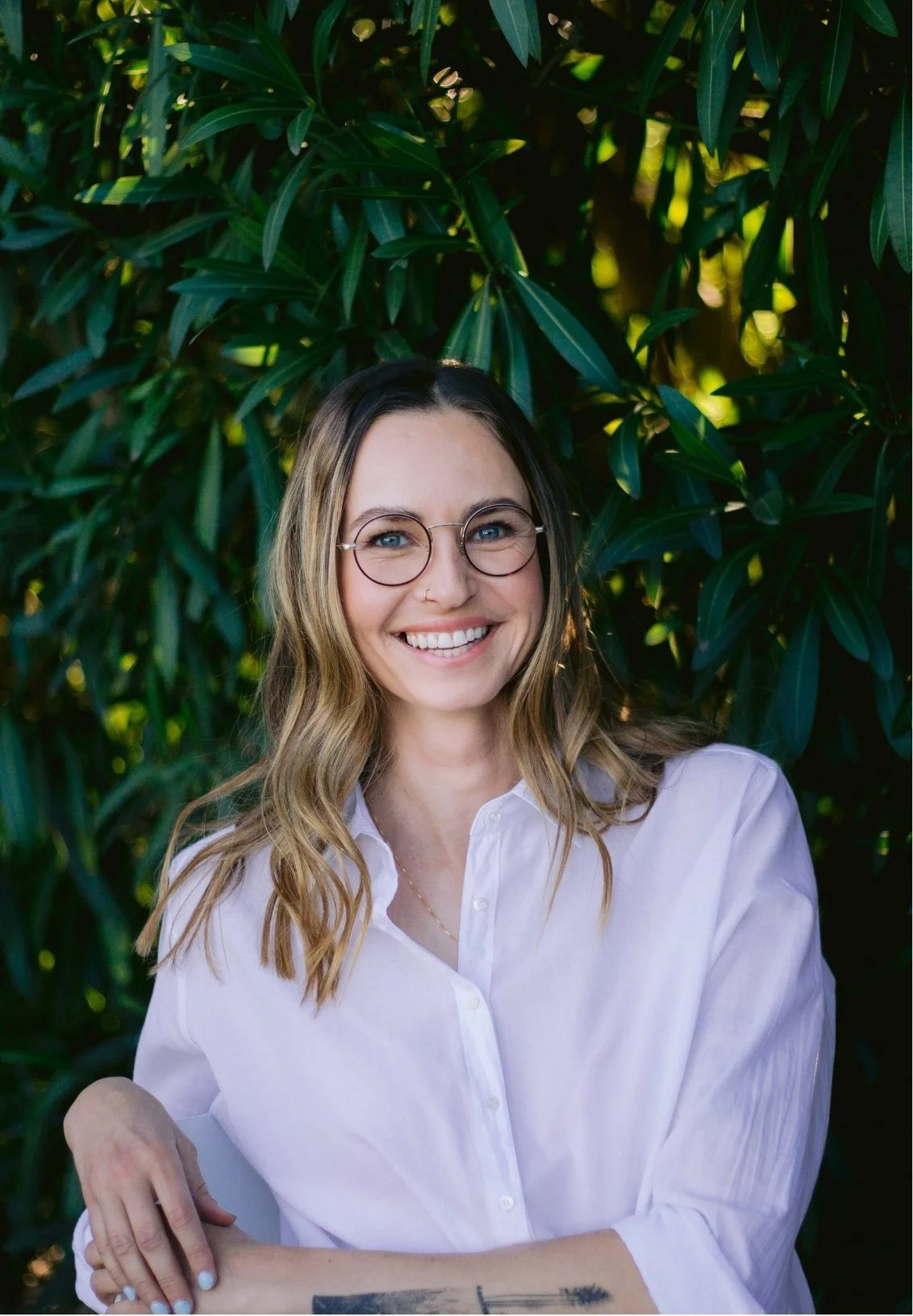
YOU DON’T HAVE TO KEEP SETTLING FOR RELATIONSHIPS THAT DON’T FEEL GOOD.
If you’re ready to put in the work, I’m ready to help you create the connections you truly want.
I’ve dedicated my entire career to understanding the complexities of relationships. Everything about my training and approach is tailored to helping individuals and couples move through conflict, deepen connection, and better understand themselves.

I work with people who…
Feel more like roommates than partners and miss the warmth, intimacy, and spark they used to have.
Keep finding themselves in the same relationship dynamics, despite wanting something different.
Have built a life that looks great on paper but feel disconnected, resentful, or totally alone behind closed doors.
Keep trying to communicate, but conversations either end in conflict or sweep it under the rug…again.
Are navigating neurodivergence in their relationship or wondering how their own neurotype influences connection, communication, and intimacy.
Have tried therapy before and left feeling validated, but didn’t learn how to break the patterns they’ve been stuck in.


my approach
Challenging you in ways that actually lead to real change.
I’m not a rigid therapist following a script or with a narrow idea of what relationships “should” look like. Coming from a European background, I have an open, nuanced view of love, sex, and partnership that doesn’t include anything puritanical or prescriptive.
I have a background in both clinical counseling and journalism, which means I’m trained to notice the small details and ask the kinds of questions that help people see things differently. Clients often tell me those nuanced questions are what help them finally get unstuck.
I bring my full self into our sessions—curious, direct, and real. That can mean laughing with you, swearing alongside you, or calling out the underlying issues you may not be aware of yet. I’m here to help you understand your patterns without shame and build something that works for you, whether that’s a healthier relationship with yourself, your partner, or the people you care about most.
Therapy with me isn’t about forcing you into a mold—it’s about helping you reconnect with who you are, what matters to you, and how you want to show up in your relationships.
Clients tell me they can feel that I’m “in it” with them. I’m not just a detached third party, but a partner in this process. I want to celebrate your progress with you and offer tools that actually fit your life and relationships. I’ll challenge you, yes—but always from a place of compassion, not criticism.
If you’re willing to put in the effort, I’ll keep showing up right alongside you. My goal isn’t to keep you in therapy forever. It’s to help you build relationships that feel more connected, authentic, and aligned with the life you want to create.
MY STORY
-
My path to becoming a therapist didn’t begin in a classroom—it started with grief, resilience, and finding the courage to rebuild. I grew up in the Czech Republic and lost people I loved early in life, including becoming a widow in my early twenties.
Not long after, I packed a few suitcases and moved to the U.S. on my own. I know what it’s like to sit in the thick of fear, to feel unmoored, to have to figure it out as you go. I also know what it means to keep showing up—for yourself and the people you love—even when things get hard.
Becoming a stepmom, living through relationship crises in my now decade-long marriage, sitting with families as they said goodbye at the hospice facility I worked in for several years—all of this has taught me how messy, tender, and precious life and love really are. It’s these lived experiences that shaped the way I sit with my clients: with honesty, presence, and a deep respect for what you’re living through.
-
Before I became a therapist, I was a journalist. I’ve always had a love of asking good questions—curious ones that help people make sense of their lives in a new way. That skill has followed me into the therapy room, where I help individuals and couples explore what’s really going on beneath the surface and see themselves, their relationships, and each other in a new light.
I don’t believe therapists ever “arrive.” I’m always learning—whether that’s diving into a new training, listening to my favorite therapy podcasts, or reflecting on what I can do better. I joke that continuing education is my special interest. But truly, this isn’t just a job for me—it’s something I care about deeply.
And when I’m not working, you’ll find me recharging in the woods with my dog, foraging mushrooms, riding horses, or searching out the perfect coffee shop—because rest and wonder are part of the work, too.

My methods
-
RLT helps shift the focus from "me" to "we"—so you're not just learning to speak your truth, you're learning to stay connected while doing it. I’ll call out the stuck patterns, help you understand your role in them, and support more honesty, accountability, and compassion. This approach is about being real, in a way that actually brings you closer to the ones you love.
-
EFT helps us slow things down and really look at the emotional cycles that keep showing up in your relationships. Underneath the reactions are usually deeper feelings you haven’t known how to share. Once we get to those, everything starts to make more sense—and connection gets easier.
-
I pull from Gottman when it’s helpful—especially for things like how you handle conflict, build trust, or try to repair after a fight. This approach emphasizes that every action we take (or don’t take) in relationships is a bid for connection. It’s not one-size-fits-all, but there are simple, research-backed tools that can make a big difference in how you relate day to day.
-
IFS gives us a way to explore the different parts of you—the protective ones that shut down, lash out, or over-function—without judgment. When you start to understand why those parts show up, you can relate to yourself and your partner with way more compassion and clarity.
-
Traditional therapy often misses the mark for neurodivergent folks, so I use tools that actually make sense for ADHD and autistic brains—whether that’s adapting emotional regulation skills or helping you understand yourself, your relationships, and one another’s perspectives. It’s about finding what works for you, not forcing you into someone else’s version of “normal.”


TRAINING & EDUCATION
EDUCATION & LICENSURE
LMFT in CA
LPCC in CA
MA in Clinical Counseling
MA in Journalism
Trainings & Certifications
Relational Life Therapy
Emotionally Focused Therapy
Internal Family Systems
Attachment-Based Couples Therapy
Solution Focused Brief Therapy
Dialectical Behavioral Therapy
The Gottman Method
Neurodivergence training
